
The Season Turns Before Anyone Tells You
The lavender has been down for weeks now.
If you'd come in July, you'd have seen the thing everyone comes to see — those long violet rows running out toward the hills, the whole field humming so loudly with bees that you feel it in your chest before you hear it. People drive a long way for that. They should. It's worth the drive.
But nobody photographs what comes after.
What comes after is stubble. Grey-green rows cut close to the ground, tidy as stitching, running in the same lines they always ran. The color's gone. The bees have moved on to something else. And the smell — this is the part I didn't expect the first time — the smell stays. It comes up out of the ground on a warm afternoon and it's stronger, somehow, than it was when the flowers were standing.
I walked out past those cut rows the other morning to get bread, and something had changed.
Not cooler, exactly. Thinner. The light came in at a slightly lower angle and had less weight in it, and there was a moment near the edge of the field where I could feel the air move against my arms in a way it hadn't in months.
And I stood there trying to work out when it happened.
I couldn't tell you. Not the day. Not even the week. Somewhere in the last stretch of days I'd been walking through, summer had quietly begun handing things over, and I had been busy, and I'd missed it.
Seasons never announce themselves.
We think they do because we have calendars, and calendars are confident. The twenty-first of a certain month, and a new season begins — as though the earth checks the date.
But the actual turning is never like that. It's always something you notice after. You realize you've been sleeping under an extra blanket for a week. You realize you haven't heard the cicadas in a few days — and this is the strangest one to me, because the cigales don't fade out gradually the way you'd expect. They sing all through the heat, relentless, and then one afternoon you notice the silence and you have no idea how long it's been there.
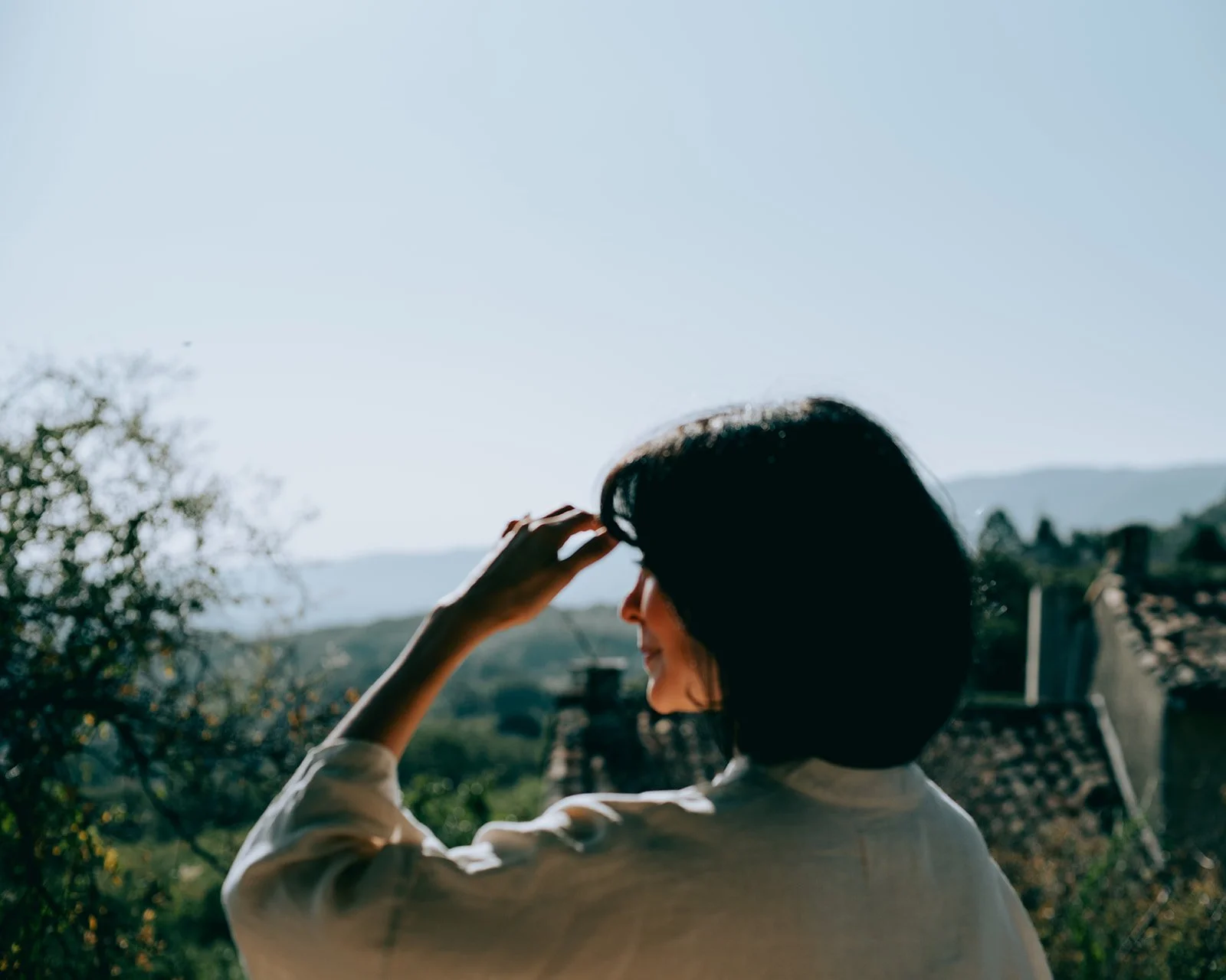
The turn happens. You just don't get told.
We do the same thing with our own seasons. And we're much harder on ourselves about it.
We wait to be told.
We wait for a clear signal that it's time to begin again. Some morning where we wake up and simply know — the desire is back, the hands are ready, the thing that went quiet in us has finished being quiet. And until that morning arrives, we wait. We tell ourselves we're not in that season yet. We're not ready. We'll know when we're ready.
But readiness doesn't announce itself either.
It's much more likely that you've already turned. That the thing came back weeks ago in some small, unremarkable way — you found yourself lingering at a window, or you noticed a color and it stayed with you longer than colors usually do, or you picked up a pencil for no reason and put it down again — and because it didn't arrive with any ceremony, you didn't count it.
You might already be in the new season. You may simply not have been told.
It runs the other way, too.
If you're in a fallow stretch right now — if you haven't made anything in a long while and there's a quiet, persistent shame attached to that — I'd like to offer you the field.
A cut field is not a failed field.
Those rows I walk past are not lavender that didn't work out. They're lavender that gave everything it had, on time, exactly as it was meant to, and is now doing the far less photogenic work of putting something back into the ground. Nobody stands at the edge of a harvested field in August and grieves. Nobody says what a shame, it used to be so purple.We understand, instinctively, that we're looking at a stage of something rather than the failure of it.
We just don't extend ourselves the same courtesy.
We look at our own quiet stretch and we don't see a field between harvests. We see evidence. Proof that whatever we thought we had has gone, and probably wasn't much to begin with.
I've done this. I've done it for entire years.
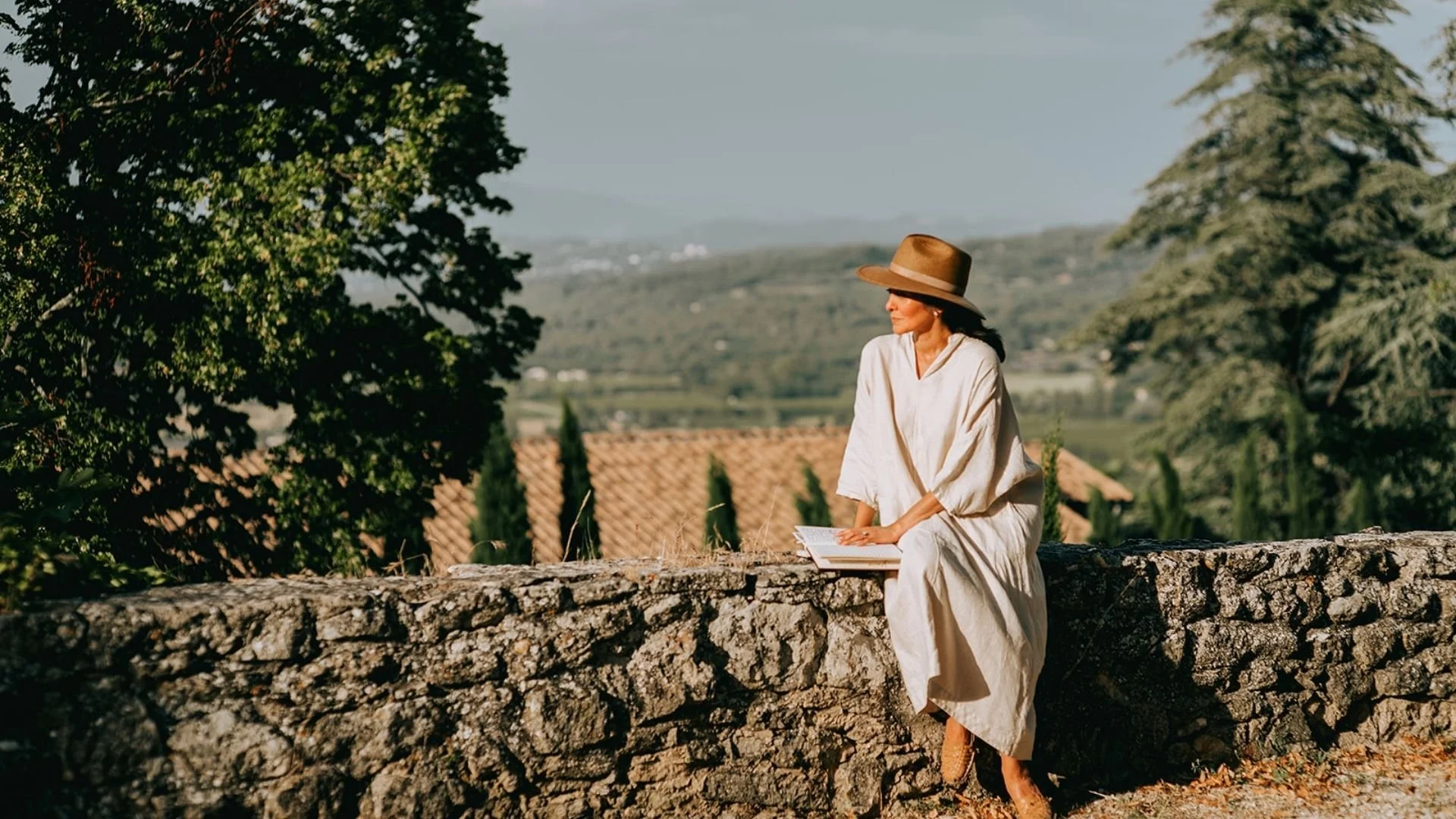
And the seasons in me that felt most like nothing — the flattest, most wordless, most emptied-out ones — turned out to be the ones doing the deepest work. I couldn't see it from inside. You almost never can. The ground doesn't show you what it's holding.
You can't rush a turn. But you can be more available to it.
Which mostly means paying attention to small evidence — the kind that's too slight to feel like proof of anything. The morning the air changed. The color you couldn't stop thinking about. The afternoon you wanted to sit down with a pencil, and didn't, but wanted to.
That wanting counts. Write it down somewhere. Not as a goal, and not as a plan you'll feel guilty about later — just as a note. The light was different today. You'd be surprised how much a person can learn about her own seasons by keeping a record of the days that seemed to hold nothing at all.
Because when the season does turn — and it will, they always do, that's the whole arrangement — you probably won't catch the moment.
But you'll have the notes.
And you'll be able to look back and see the place where it started, weeks before you knew.